
Reducing Noise and Emissions at Supersonic Speeds

Supersonic aircraft are returning to development in an era of far stricter environmental regulation. All modern commercial jets must comply with ICAO Chapter 14 and FAA Stage 5 noise standards. These are regulations that didn’t exist during Concorde’s time that require reducing supersonic noise and emissions. Emissions limits, especially on NOx and CO₂, have also […]
Powering Supersonic Flight Without Afterburners
Generating thrust for supersonic flight has historically relied on afterburners — powerful but inefficient systems that increase noise, emissions, and fuel burn. The Concorde’s reliance on afterburners made it incompatible with modern airport noise regulations and contributed to its environmental footprint. Spike Aerospace is taking a different approach. Its propulsion systems incorporate high-efficiency turbofan architecture, […]
Mastering Stability and Control: From Takeoff to Mach 1.6
Designing an aircraft that performs flawlessly across dramatically different flight regimes is one of the most technically demanding aspects of supersonic flight. From subsonic takeoff at 150 knots to cruise at Mach 1.6, the aircraft must remain stable, responsive, and safe — despite aerodynamic forces that change radically throughout the flight. Spike Aerospace is addressing […]
Clean and Efficient Supersonic Flight — Not an Oxymoron
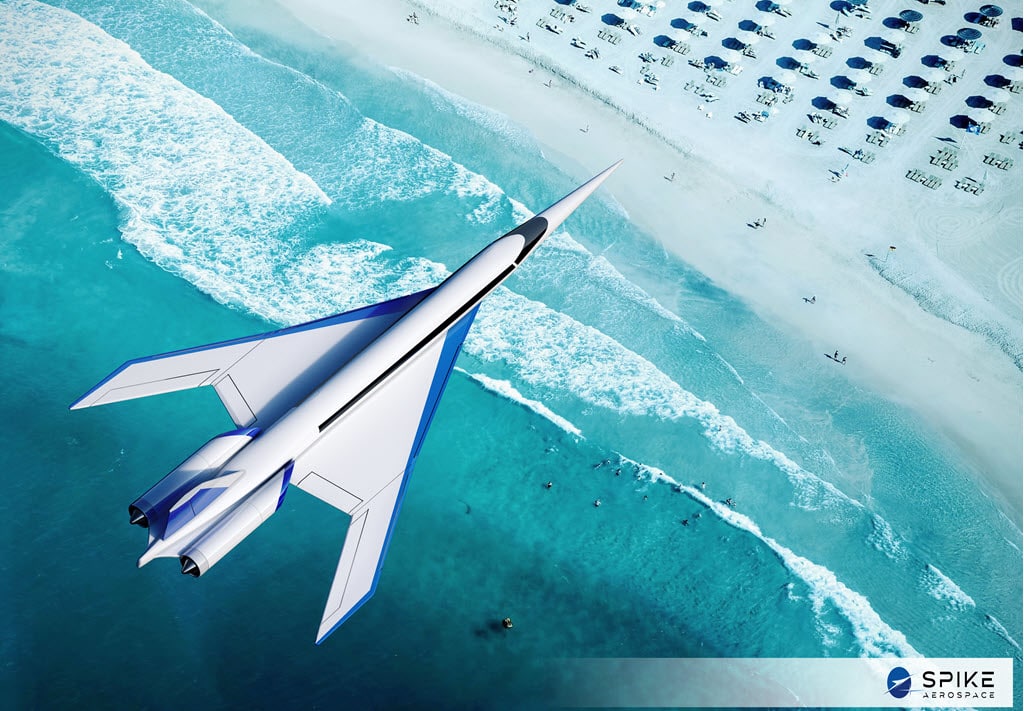
Supersonic aircraft offer dramatic reductions in travel time, but that speed comes at an aerodynamic cost. Drag increases significantly at supersonic speeds, and legacy designs — like the Concorde — often burned three to five times more fuel than comparable subsonic aircraft to cover the same distance. That level of fuel consumption is not […]
Solving the Sonic Boom Problem with Quiet Supersonic Flight
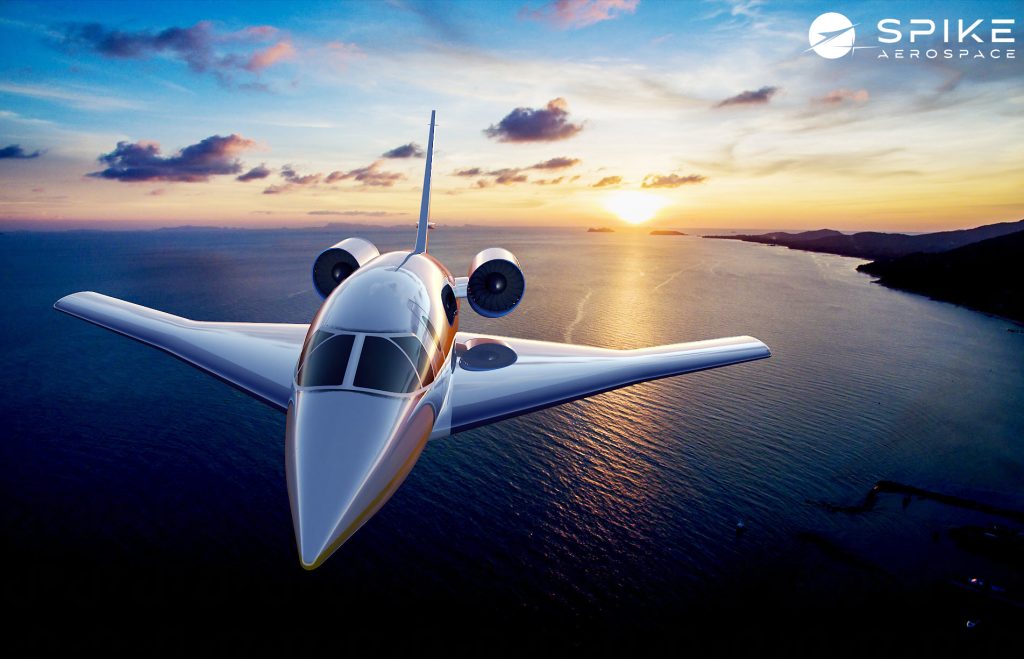
One of the most significant barriers to supersonic flight has been the sonic boom. The Concorde’s sharp, thunderous boom — heard dozens of miles away — led to bans on supersonic flight over land in the United States and many other countries. As a result, Concorde operations were limited to transoceanic routes, reducing its market […]
Supersonic Flight — Faster Isn’t Enough
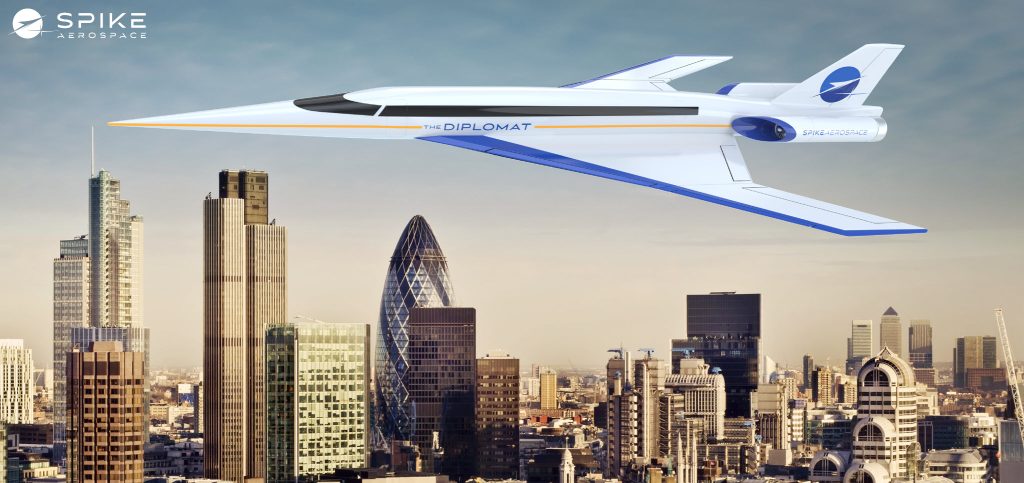
Supersonic flight has fascinated the aviation industry and public imagination for decades. The Concorde proved that high-speed air travel was technically possible — but its limitations in noise, cost, and environmental impact ultimately made it commercially unsustainable. Today, new advances in materials, propulsion, aerodynamics, and regulation are creating a renewed opportunity for supersonic flight. But […]