
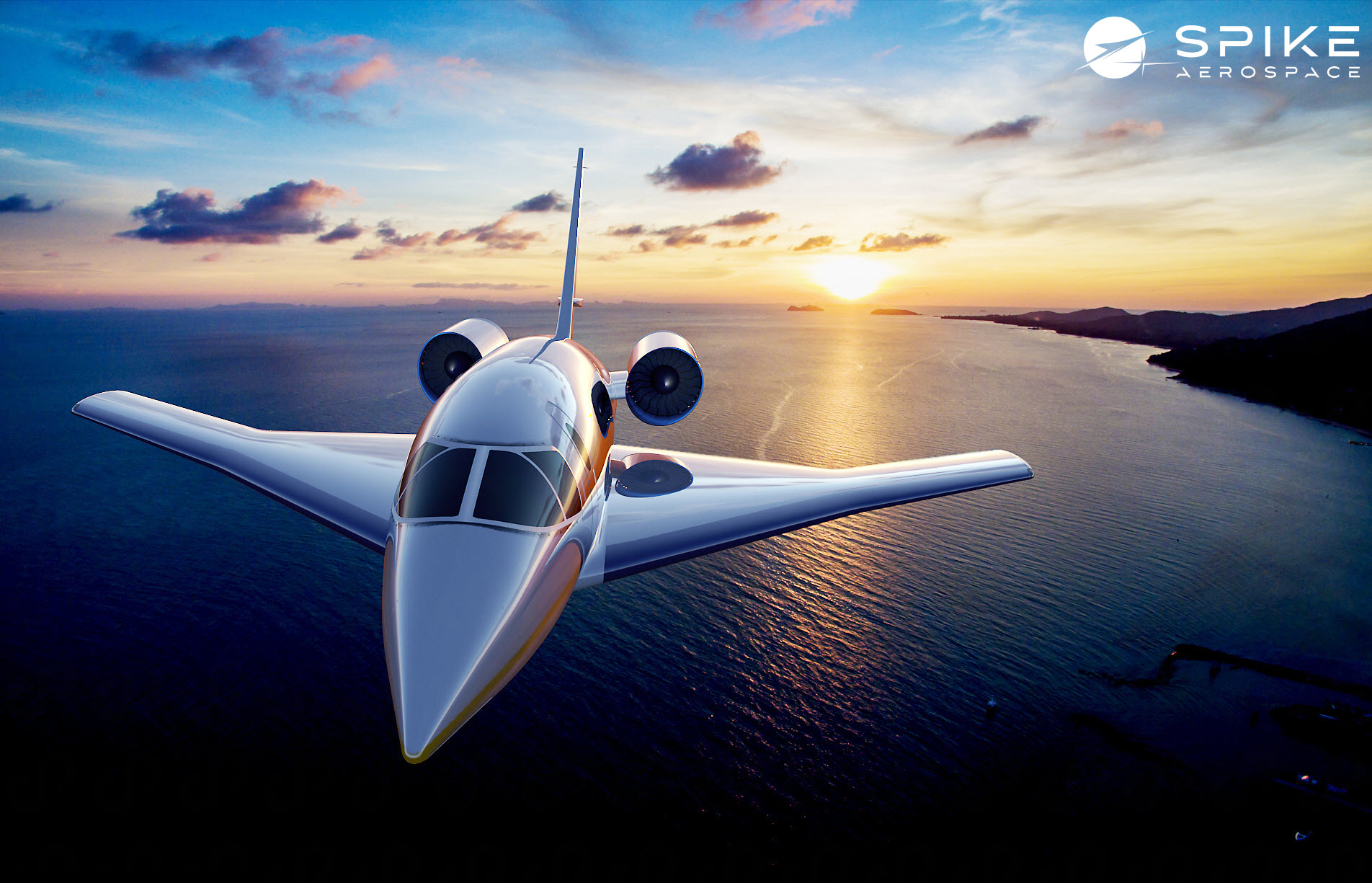
One of the most significant barriers to supersonic flight has been the sonic boom. The Concorde’s sharp, thunderous boom — heard dozens of miles away — led to bans on supersonic flight over land in the United States and many other countries. As a result, Concorde operations were limited to transoceanic routes, reducing its market potential and profitability.
Today, that challenge is being met head-on. Through advanced shaping of the aircraft body and precision aerodynamic modeling, we’re developing “low-boom” designs that dramatically reduce perceived sound levels. Computational Fluid Dynamics (CFD) tools are allowing engineers to predict and refine shockwave placement and intensity. This enables minimizing disruption on the ground. Targeting below 75 PLdB — roughly equivalent to distant thunder — these new aircraft may soon open up flight paths that stretch not just over oceans, but across continents.
This isn’t just about noise reduction. It’s about unlocking viable business routes that make supersonic travel economically sustainable. That opens the door to overland routes — such as New York to Los Angeles or Paris to Dubai — that were previously off limits. The goal is not only regulatory compliance, but to unlock viable, high-demand flight paths. That makes supersonic travel both practical and profitable — without the sonic boom!