
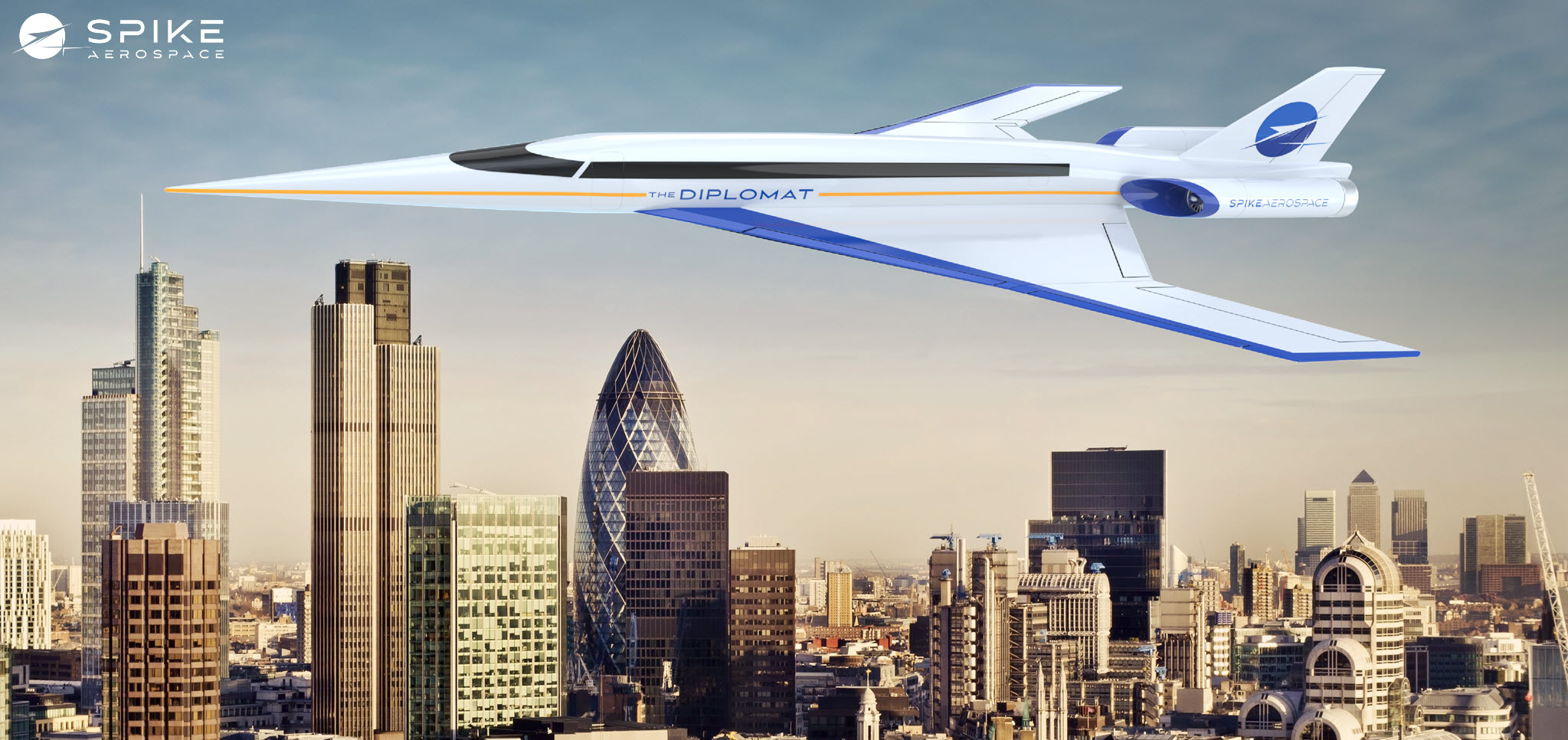
Supersonic flight has fascinated the aviation industry and public imagination for decades. The Concorde proved that high-speed air travel was technically possible — but its limitations in noise, cost, and environmental impact ultimately made it commercially unsustainable.
Today, new advances in materials, propulsion, aerodynamics, and regulation are creating a renewed opportunity for supersonic flight. But building a faster aircraft alone won’t be enough. Reintroducing supersonic travel requires solving the full range of engineering, environmental, regulatory, and operational challenges that hindered past efforts.
At Spike Aerospace, we’re applying smarter tools, deeper data, and modern technology to develop aircraft that are not only faster — but also quieter, cleaner, and more efficient. In this series, we examine the twelve key hurdles to bringing supersonic travel back — and how we’re working to address them.
Read more on how Spike is addressing the challenges of supersonic flight.